“I like to do things with people, not for them.”
I mispronounce words. I have done it in front of CNN. I once became deeply concerned on behalf of the Irish Prime Minister’s wife—who wasn’t even in the room—after confusing the words philanthropist and philanderer at a formal dinner. Which, as you can imagine, is a whole thing. And somehow, for over two decades, people have kept letting me into rooms to talk about hard things. Maybe it’s because I make them laugh first.
I’ve spent 25 years doing community work at the intersection of dignity, proximity, and what it actually means to be a neighbor to the unhoused and marginalized. I launched Lazarus in Atlanta on Thanksgiving Day 2000—not with a blueprint, but with a parking lot, some gas station food, and the slow realization that the conversations mattered more than the sandwiches.
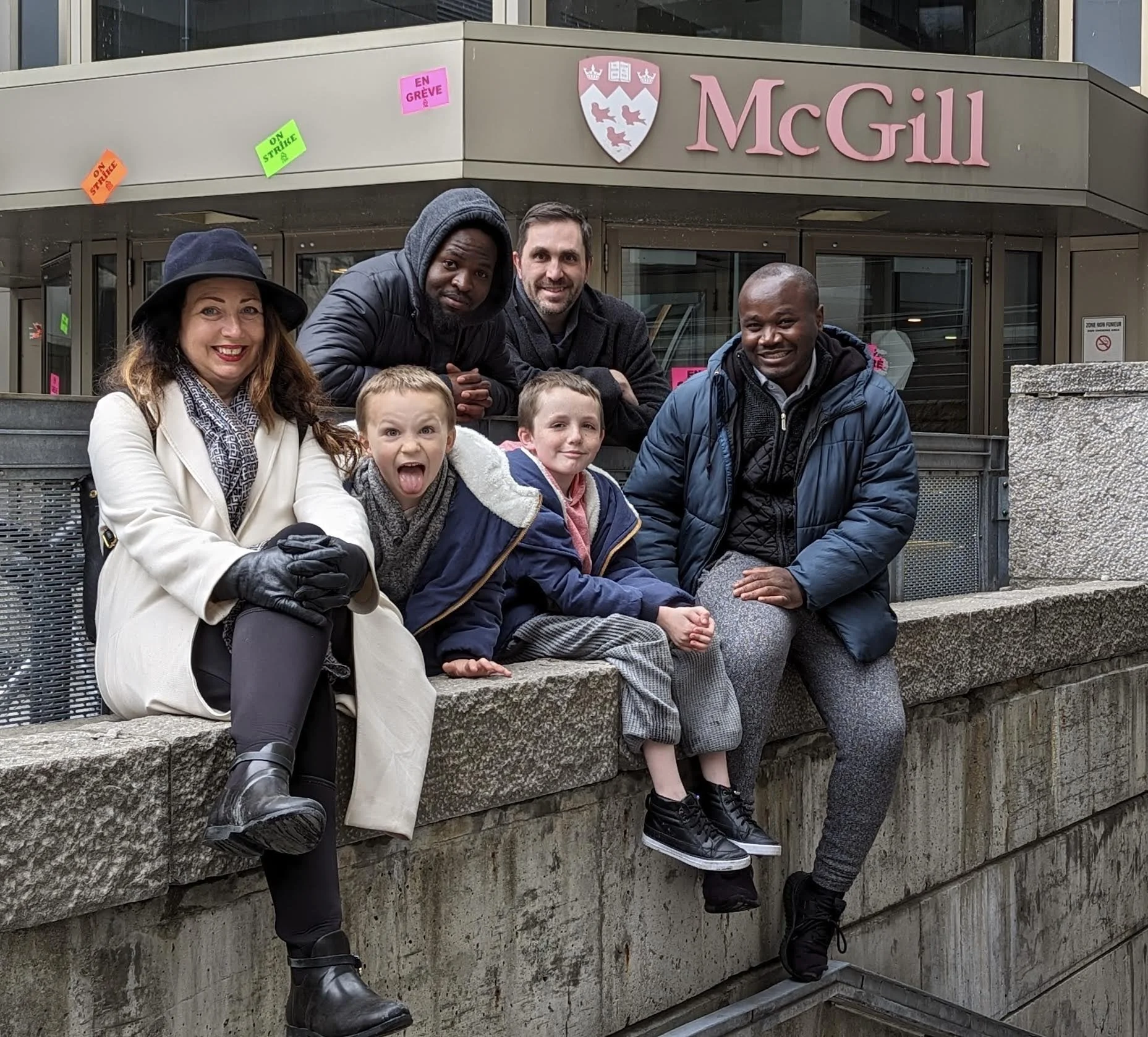
After founding Lazarus in 2000, I served as its Executive Director and later on its board, remaining involved for more than two decades. I'm proud that the organization continues serving communities today. Along the way, I expanded its footprint across state lines, helping build out its presence in Washington, D.C., where I’ve lived on the same block since 2015. I am married to my husband, Joe, and we have four sons(pictured below).
Long before “trauma-informed care” was a buzzword or a curriculum, I was teaching dignity-based, relational approaches to outreach. I didn’t have a name for it then—I just knew it was the only approach that mattered.